Thinking about trading yard work for skyline views and waterfront walks? Downtown Tampa gives you a car-light lifestyle, packed weekends, and a front-row seat to the city’s growth. If you want restaurants, parks, and events steps from your door, this guide shows you what to expect from condo and high-rise living. You will learn where people live, how buildings differ, what fees cover, and the key due diligence that protects your budget. Let’s dive in.
Downtown Tampa at a glance
Downtown Tampa covers the Central Business District plus nearby pockets many condo buyers consider, including the Channel District, Water Street, Harbour Island, Davis Islands, Tampa Heights, and the River Arts area around Curtis Hixon Park. The Tampa Downtown Partnership steers many programs and placemaking that shape daily life.
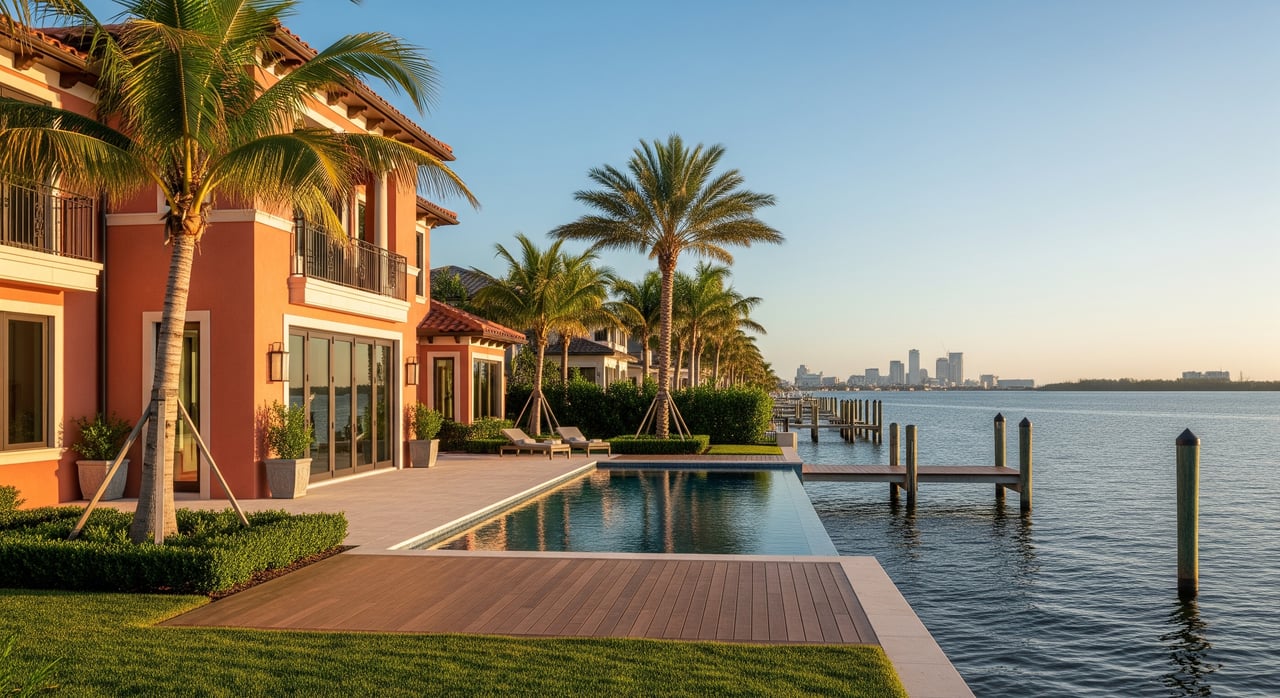
The Tampa Riverwalk is the waterfront spine that connects parks, museums, and dining. Living near or on the Riverwalk often means an easy morning run or a sunset stroll by the water. Explore the route on the official site for the Tampa Riverwalk.
Major anchors drive energy and foot traffic. Amalie Arena hosts NHL games and concerts that boost nearby nightlife and parking demand on event nights. Get a sense of the calendar and crowd patterns from the Amalie Arena event profile.
Where you will live: condo types and prices
You will find two broad product types:
- Older mid-rise towers and conversion lofts. Often concrete buildings from the 1980s to early 2000s with assigned parking and simpler amenity packages. Fees can be lower, and locations vary from the core to Harbour Island and nearby districts.
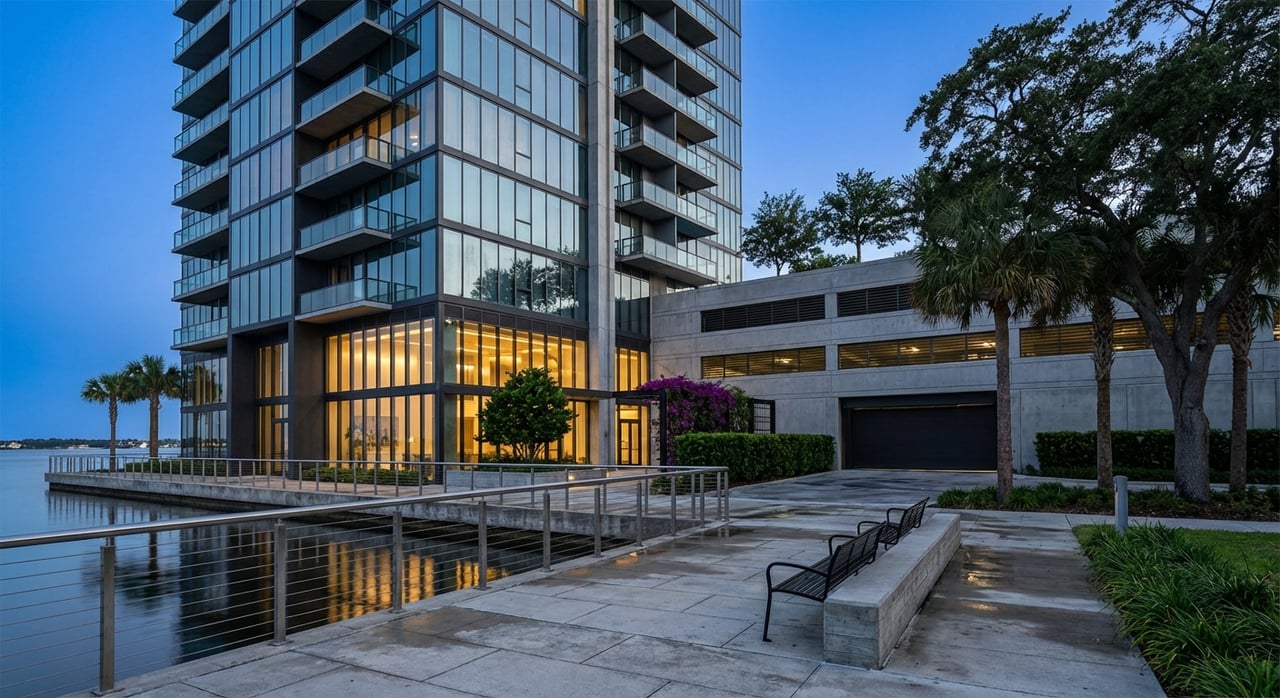
- New luxury high-rises, especially in Water Street and Channelside. Expect amenity-rich buildings with concierge service, fitness centers, rooftop or elevated pools, pet facilities, and on-site retail or eateries.
Prices vary widely by building, view, and finish level. As a snapshot, the median listing price for Downtown Tampa condos was about $1.2 million per Realtor.com’s Downtown Tampa search on Feb 15, 2026. You will also see smaller or older units in the lower hundreds of thousands and penthouses in the multi-million range. For live numbers, check active listings or ask for a building-specific view.
Day-to-day living
Walkability and parks
If you want to step out for coffee, groceries, or dinner without getting in the car, parts of Water Street, Channelside, and the core CBD deliver that. The Riverwalk ties together Curtis Hixon Park, museums, and waterfront dining, so you can run, bike, and meet friends outside with ease. Learn more about the Tampa Riverwalk experience.
Getting around without a car
For short trips, the TECO Line Streetcar links downtown and Channelside to Ybor City with frequent service, plus added runs during events. It is a practical way to hop between neighborhoods. Check the TECO Line Streetcar details. HART buses connect downtown to the broader county from the Marion Transit Center, which helps if you keep a car-light lifestyle.
Groceries and daily services
Water Street includes neighborhood retail and a grocery concept designed for quick trips. Publix previously announced a GreenWise-style store for the Channelside/Water Street area, signaling the shift toward everyday convenience downtown. See the Publix GreenWise concept news for context.
Healthcare access
Tampa General Hospital sits just across the channel, which is a plus if you value close medical care. TGH continues to expand services, including new emergency care options in the area. Read the Tampa General Hospital update.
Event days: noise and parking
Big game or concert nights around Amalie Arena bring extra foot traffic and higher parking demand. Buildings may tighten guest parking rules during events. If you want calmer evenings, you can target buildings set back from the arena or choose quieter pockets like parts of Harbour Island.
Amenities and HOA fees
Newer high-rises often feature rooftop or elevated pools, multi-level gyms, yoga rooms, resident lounges, coworking areas, pet-wash stations, and secure package rooms. These amenities deliver convenience but add to operating costs.
Monthly HOA fees vary by building age, size, and amenity package. Fees often cover building insurance, exterior maintenance, common-area utilities, security or concierge staffing, pool and fitness operation, elevators, and reserves. Some buildings fold water, trash, or internet into the fee. Compare what each fee includes rather than the number alone.
Tip: Also confirm what you must insure yourself with a unit owner policy, often called an HO-6 or walls-in policy. Flood insurance is typically separate from the master policy.
Parking and car options
Parking differs by building. Some condos include deeded parking spaces you own with the unit. Others use assigned spaces controlled by the association, valet systems, or no on-site parking for certain units. Always verify what your specific unit includes and what guest parking looks like on event nights.
If you need a backup plan, the city offers monthly permits for select public garages. You can review current options and apply for a permit through the City of Tampa monthly parking program. In-building secured or deeded parking is usually more convenient than relying on street or municipal parking, especially during peak times.
What to know about inspections, insurance, and risk
Florida condo reforms: milestone inspections and reserves
After the Surfside tragedy, Florida enacted building safety reforms that apply to condo and co-op buildings three stories or higher. Associations must complete structural milestone inspections on set timelines and conduct Structural Integrity Reserve Studies, then disclose relevant findings to owners and buyers. Review the state’s implementation timeline and requirements on the Florida DBPR condo safety timeline. As a buyer, ask for the most recent milestone inspection, SIRS, reserve balances, and any planned special assessments.
Flood and hurricane considerations
Downtown Tampa sits on a coastal bay, and regional modeling shows parts of the waterfront and low-lying roads can be vulnerable under major storm surge and sea level rise scenarios. Explore the Tampa Bay Regional Planning Council’s 3D surge and sea level rise mapping for context.
If a building is in a FEMA Special Flood Hazard Area, federally regulated lenders require flood insurance for mortgages. The Congressional Research Service outlines this requirement in its overview of flood insurance rules. Ask for the property’s FEMA flood zone, any elevation certificates, and recent flood history, then price flood coverage into your budget if needed.
Water access and boating
If boating matters, focus on Channelside, Garrison Channel, and Harbour Island. Some communities provide convenient marina access or nearby public marinas. Private slips are limited and may be deeded or rented separately. Ask about availability, fees, insurance rules, and waitlists early in your search.
Is high-rise life a fit for you?
Downtown condo living often fits:
- Young professionals who want walkability, dining, and entertainment close by.
- Empty nesters and downsizers who prefer low-maintenance living with cultural access.
- Second-home buyers who value waterfront recreation and easy weekend plans.
- Investors who are comfortable with HOA rules and rental policies.
It may not fit households who need large private yards, multiple dedicated garage spaces, or very quiet evenings near major venues. You can still find calmer pockets by focusing on specific buildings and micro-locations.
Smart buyer checklist for showings
Use this list to compare buildings and avoid surprises:
- Parking specifics. Is a space included with the unit, and is it deeded or assigned? Confirm details in the deed and HOA docs.
- Milestone inspection and SIRS status. Have recent reports been completed, and what are the next steps or timelines?
- HOA fee coverage. What does the monthly fee include, and what are the association’s reserves and recent budgets?
- Flood zone and insurance. Is the building in a FEMA Special Flood Hazard Area, and what would flood insurance likely cost?
- Rental rules. What are the minimum lease terms, approval steps, and any short-term rental restrictions?
- Special assessments. Are any planned or pending assessments, and what capital projects are on the horizon?
- Boat slips. If boating matters, are slips available, deeded, or rented, and what are the fees and waitlists?
- Practical living. Package room policies, delivery access, pet rules, and guest parking rules during arena events.
Next steps
If you want a walkable, waterfront lifestyle with strong amenities, Downtown Tampa makes daily life feel easy and connected. The right building and due diligence plan will protect your budget while giving you the views and convenience you want. To compare buildings, check inspection and reserve status, and map options to your price range, connect with Chapin Richards. Our neighborhood-first team will help you move quickly and confidently.
FAQs
How does the Tampa Riverwalk impact Downtown Tampa condo living?
- The Riverwalk links parks, museums, and dining along the waterfront, which boosts walkability, recreation, and everyday convenience for many condo residents.
What should I know about Florida condo inspections before buying?
- Buildings three stories or higher must complete milestone structural inspections and a Structural Integrity Reserve Study. Request recent reports, reserve balances, and any planned assessments.
Do I need flood insurance for a Downtown Tampa condo?
- If the building is in a FEMA Special Flood Hazard Area and you use a federally regulated mortgage, flood insurance is required. Even outside SFHAs, review flood risk and consider coverage.
Is parking included with every Downtown Tampa condo unit?
- No. Parking can be deeded, assigned, valet, or not included. Confirm the exact parking rights for the unit and ask about guest parking and event-night rules.