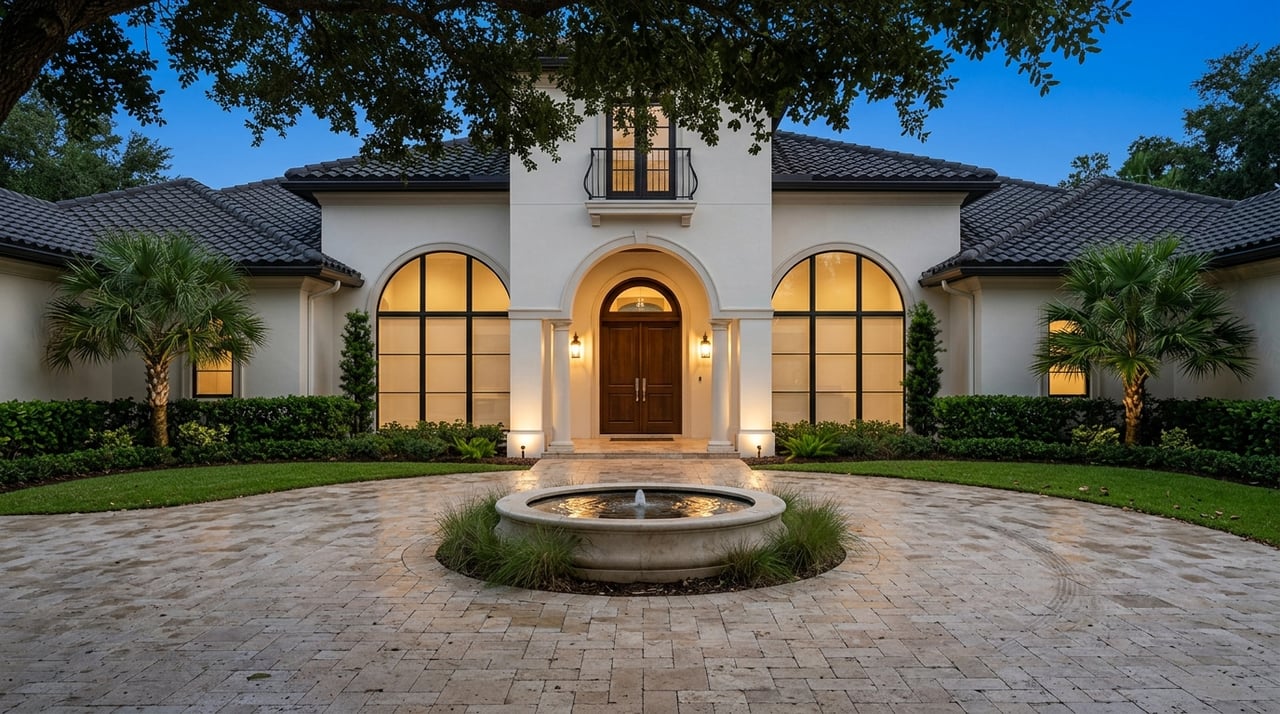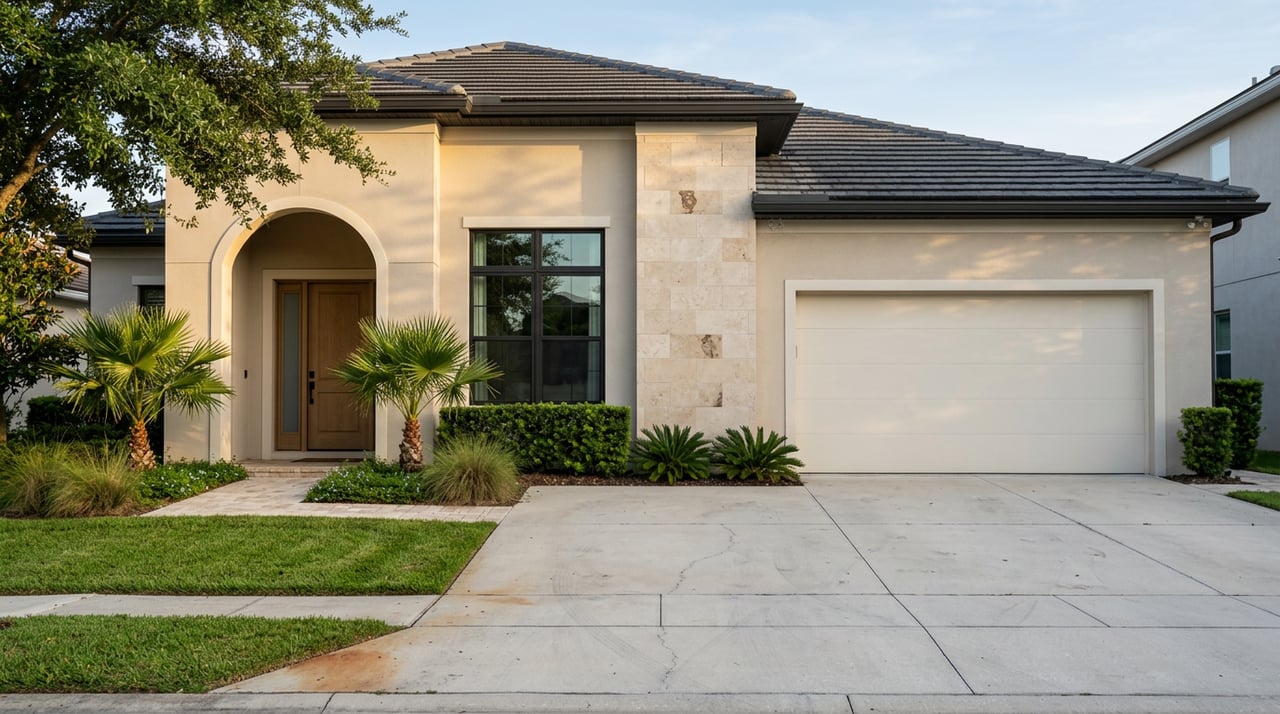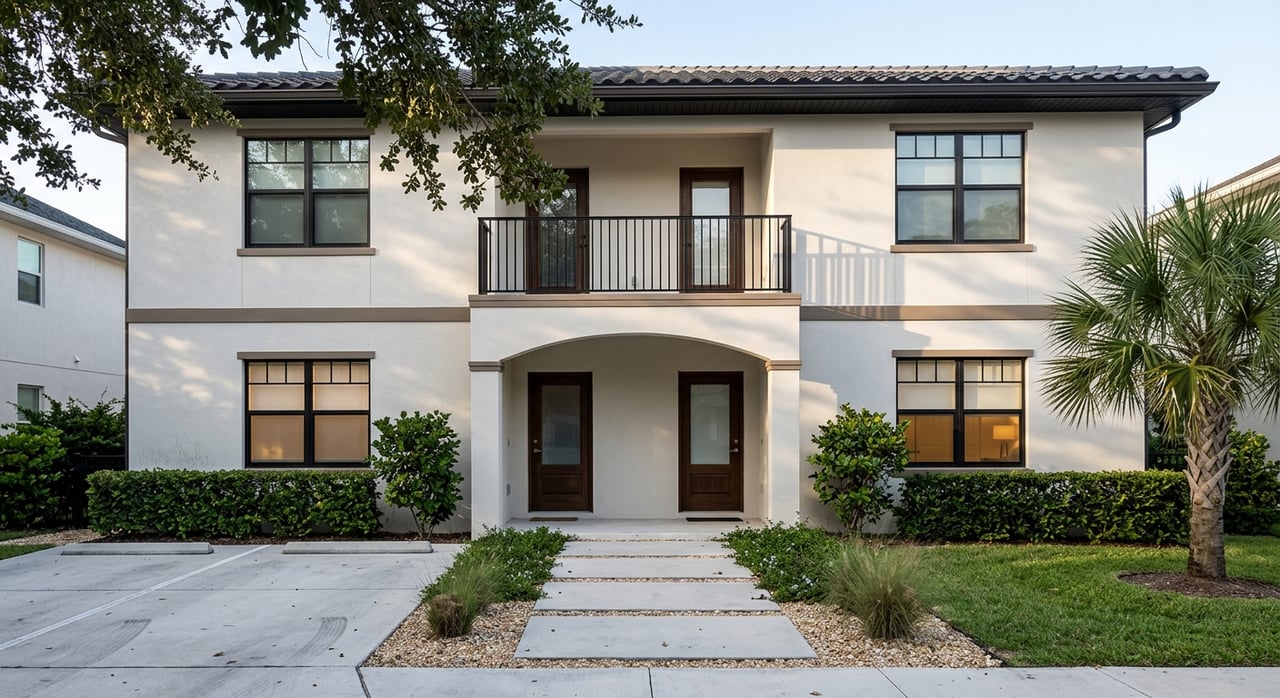
Thinking about buying a duplex, triplex, or fourplex in St. Petersburg? You are not alone. Small multifamily properties can offer a practical path to rental income, owner-occupied investing, or long-term portfolio growth, but in St. Pete, older buildings, flood exposure, and permit issues can change the numbers fast. In this guide, you will learn how to evaluate small multifamily opportunities in St. Petersburg with a sharper eye so you can move forward with more confidence. Let’s dive in.
Why small multifamily stands out
Small multifamily sits in a unique spot between a single-family home and a larger apartment building. According to Fannie Mae’s missing middle housing analysis, two- to four-unit homes make up a small but important part of the housing stock and account for a meaningful share of rental units.
For you as an investor, that matters because a duplex, triplex, or fourplex can serve different goals. You might buy one as a pure investment, or you might live in one unit and rent the others as a house-hack strategy. In a market like St. Petersburg, that flexibility is a big part of the appeal.
St. Petersburg market basics
St. Petersburg had an estimated 267,102 residents in 2024, along with 119,244 households, a median household income of $75,192, and a median gross rent of $1,663, based on U.S. Census QuickFacts. The city also had an owner-occupied housing rate of 62.8%.
At the county level, Pinellas had 524,082 housing units in 2023, with 30.2% renter-occupied. Those figures point to a real renter base in the area, which helps explain why small multifamily continues to attract attention from local buyers and investors.
The average household size in St. Petersburg was 2.14 persons. That does not guarantee demand for any one property, but it does suggest that the compact layouts often found in duplexes, triplexes, and fourplexes can fit the needs of many local renters.
What St. Pete inventory looks like
One of the most important things to understand is that St. Petersburg’s small multifamily stock is often older. A local preservation study found that 38% of all housing units in the city were built before 1960.
That same study found that 81% of St. Petersburg’s small-scale multifamily buildings with 2 to 8 units were built before 1960. Many of these buildings were originally used as staff housing, extended-family housing, or seasonal tourist housing before becoming year-round rentals.
You will also see that many units in these properties are compact, often around 400 to 600 square feet. That can support a lower overall purchase price in some cases, but it also means you need to look closely at layout, unit condition, and rental positioning.
Older buildings can mean bigger repair risk
Age alone is not a deal breaker, but it should shape your underwriting. The same preservation study notes that many small multifamily properties in St. Petersburg now need structural work and full updates to major systems like plumbing, electrical, HVAC, and other mechanical components.
That means your real numbers are not just purchase price and gross rent. You also need to account for deferred maintenance, capital improvements, ongoing repairs, and replacement timelines. If you skip that step, a property that looks good on paper can become expensive very quickly.
Historic districts and permits matter
In St. Petersburg, due diligence goes beyond the rent roll. The preservation study found that only 2% of the city’s pre-1960 small-scale multifamily properties are protected by local historic districts, while another 27% are located in National Register districts outside local districts.
That mix can create extra review points for an investor. According to City of St. Petersburg permitting guidance referenced in the study, structures in locally or nationally designated historic districts may not be exempt from permit requirements, and work in flood zones can trigger additional compliance if it qualifies as substantial improvement.
Before you buy, make sure you verify:
- Zoning and current legal use
- Historic district status
- Open or expired permits
- Renovation history
- Whether prior work appears properly permitted
- Flood zone designation
How to underwrite rent realistically
When you evaluate a small multifamily property, unit-by-unit rent analysis matters. According to Fannie Mae’s rental income guidance, rental income may be used for qualifying on a two- to four-unit principal residence where the borrower occupies one unit, or on a one- to four-unit investment property, if it is documented correctly and likely to continue.
For two- to four-unit properties, lenders typically require the Small Residential Income Property Appraisal Report. Gross monthly rent must be documented separately for each unit, so your analysis should focus on actual lease terms, market-supported rent, and the condition and functionality of each individual unit.
In practical terms, this means you should avoid relying on optimistic pro forma assumptions. A vacant unit may not support top-of-market rent if it needs updates, has an awkward layout, or competes with better-maintained options nearby.
Why expenses deserve extra attention
Gross rent can look attractive, especially on a duplex or fourplex in a strong location. But in St. Petersburg, older inventory means expense discipline matters.
Florida law requires landlords to maintain key parts of a property, including roofs, windows, doors, floors, steps, porches, exterior walls, foundations, and plumbing in good repair. Combined with the age of much of the local stock, that makes it smart to build in reserves for repairs, capital replacements, routine maintenance, vacancy, and management.
A conservative investor usually reviews:
- Roof age and condition
- Electrical panel and wiring updates
- Plumbing material and leak history
- HVAC age and service records
- Exterior condition and drainage
- Turnover and make-ready costs
- Property management costs
- Vacancy and repair reserves
Flood risk should be reviewed early
Flood risk is one of the biggest variables in coastal Florida investing. It affects insurance costs, renovation planning, tenant communication, and financing.
Under Florida Statute 83.512, landlords must provide a flood disclosure before signing a lease of one year or longer. The disclosure also reminds tenants that renters insurance does not cover flood damage.
FEMA also states that federally regulated or supervised lenders, and federal agency lenders, must require flood insurance for buildings located in Special Flood Hazard Areas in participating NFIP communities. For you, the key takeaway is simple: review flood-zone status before you make an offer, not after inspections begin.
Financing options for owner-occupants
If you plan to live in one unit, financing may be more accessible than you think. Fannie Mae’s 2023 policy change increased standard eligibility for two- to four-unit principal residence loans to 95% loan-to-value for many loans delivered on or after November 18, 2023.
In plain English, that means some owner-occupied duplex, triplex, and fourplex purchases may qualify with as little as 5% down under standard Fannie Mae rules. High-balance loans are excluded, so the best move is to talk with a lender early and confirm what applies to your scenario.
HUD guidance also treats three- to four-unit properties as single-family properties for FHA purposes, while applying a self-sufficiency rental income test. According to the HUD handbook excerpt, the mortgage payment divided by monthly net self-sufficiency rental income may not exceed 100% for three- to four-unit properties.
That makes one point very clear: as unit count rises, lenders tend to look even harder at rent coverage, vacancy assumptions, and maintenance reality.
Legal and management details to know
Small multifamily ownership comes with more moving parts than a typical single-family rental. Florida law includes detailed rules for security deposits, advance rent, maintenance obligations, and flood disclosures.
Florida Statute 83.49 covers how security deposits and advance rent must be held, disclosed, and returned. Florida law also requires code-compliant maintenance of the premises, which reinforces the need for organized systems and prompt follow-through.
For many buyers, that is why experienced property management and Florida-specific legal review are worth considering before closing. A solid operating plan can help you avoid preventable mistakes with leases, disclosures, repairs, and tenant communication.
A smart buying checklist
If you are considering a small multifamily purchase in St. Petersburg, keep your process simple and disciplined. Focus on the items that can materially affect income, financing, and future repair costs.
Before closing, make sure you review:
- Current leases and actual unit rents
- Market rent support for each unit
- Flood zone and likely insurance impact
- Permit history and renovation records
- Historic district status where relevant
- Major system age and repair needs
- Legal use, zoning, and occupancy details
- Maintenance reserves and capital budgets
- Deposit handling and lease compliance requirements
- Financing terms based on occupancy and unit count
Bottom line for St. Petersburg investors
Small multifamily in St. Petersburg can be a strong fit if you buy with clear eyes. The market offers a real renter base, flexible ownership options, and owner-occupied financing paths that can work well for duplexes, triplexes, and fourplexes.
At the same time, the city’s older housing stock means you need to underwrite conservatively. Flood exposure, deferred maintenance, permit history, and historic-district factors can all affect the deal more than many first-time investors expect.
If you want help identifying small multifamily opportunities in St. Petersburg, reviewing neighborhood-level options, or getting connected with financing partners familiar with 2- to 4-unit properties, Chapin Richards can help you build a smarter plan.
FAQs
What counts as small multifamily in St. Petersburg?
- In this context, small multifamily usually means a duplex, triplex, or fourplex, though some local studies also discuss small-scale multifamily buildings with up to 8 units.
Why are older buildings important for St. Petersburg multifamily investors?
- Much of St. Petersburg’s small multifamily inventory was built before 1960, which can increase the chance of structural issues, deferred maintenance, and major system updates.
Can you buy a St. Petersburg duplex or triplex with low down payment financing?
- In some cases, yes. Fannie Mae increased standard eligibility for many owner-occupied 2- to 4-unit purchases to 95% loan-to-value, though loan limits and eligibility details still need lender review.
How do lenders review rent on small multifamily properties?
- Lenders typically look at rent unit by unit, supported by leases, appraisal documentation, and evidence that the rental income is likely to continue.
Why should St. Petersburg investors check flood zones before making an offer?
- Flood zones can affect insurance requirements, renovation rules, operating costs, and lease disclosure obligations, so it is best to review them before you are under contract.
What legal issues should small multifamily buyers review in Florida?
- Buyers should understand rules around security deposits, maintenance obligations, flood disclosures, permits, and local compliance before closing on a rental property.